The fast evolution of master-planned plotted enclaves demonstrates that long-term asset appreciation requires elite low-density community frameworks. Across major infrastructure corridors in expanding northern metropolitan zones, checking the detailed engineering specifications, legal compliance frameworks, and long-term valuation trends is highly essential. #link# serves as an active reference point for analyzing how localized infrastructure pushes organic demand for land. To accurately forecast future property rental yields and capital gains, astute investors look past superficial cosmetic finishes to review foundational engineering benchmarks, spatial efficiency metrics, and land titles.
Evaluating High-Velocity Transit Infrastructure and Plotted Land Traction
The seamless creation of multi-lane signal-free expressways, triggers immediate real estate demand from high-net-worth individuals and corporate entities. Analytical housing forecasts indicate that the extension of public rapid transport networks creates an immediate demand pipeline for luxury custom build options featuring superior configurations. Whenever a Tier-1 residential development aligns itself with upcoming metro rail expansion lines and strategic transit corridors, high-salaried working professionals naturally choose to locate their primary villa residences within that specific geographic boundary. In tandem with this, the rapid development of specialized commercial complexes, multi-specialty healthcare institutions, and elite international schools creates a highly lucrative environment for non-resident Indian investors seeking secure domestic property allocations. Understanding these localized growth parameters helps buyers identify under-priced assets prior to formal public launches.
Infrastructure Material Specifications and Low-Density Spatial Philosophy
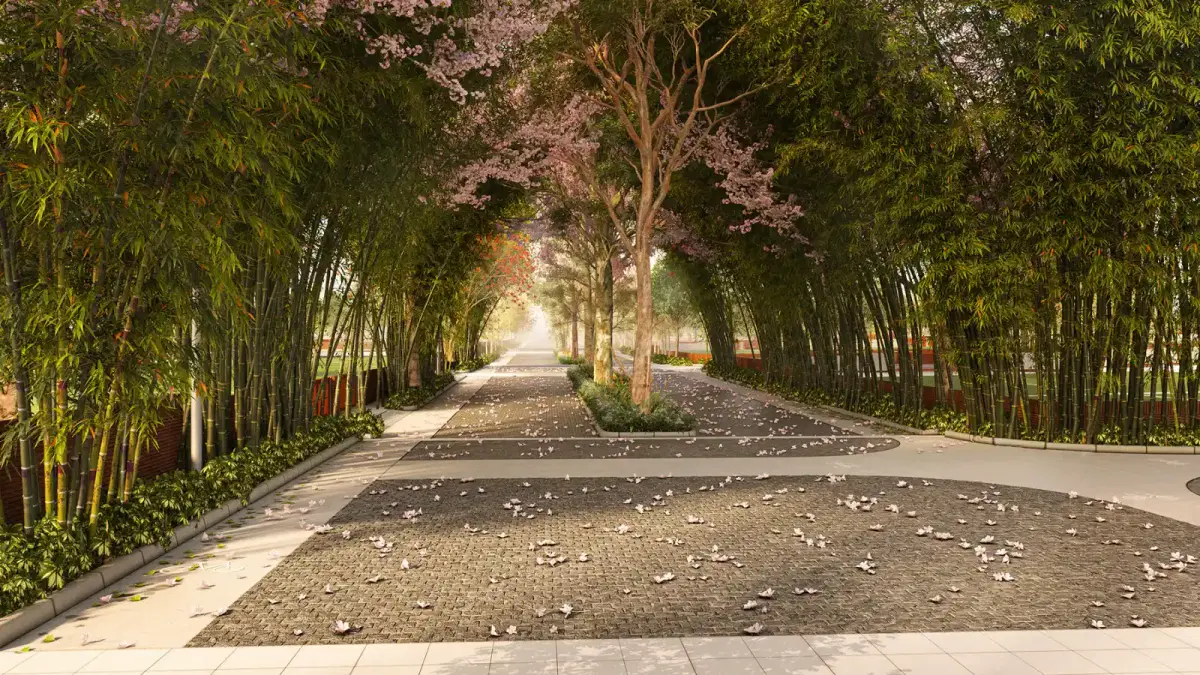
The long-term asset lifecycle of contemporary master-planned townships is directly determined by the underlying horizontal engineering utilized during the core development phase. Utilizing monolithic green spine configurations instead of traditional linear road assemblies minimizes future maintenance overhead while noticeably enhancing internal community infrastructure performance. When an elite real estate development prioritizes high-end architectural choices, the communal spaces balance aesthetic grandeur with functional longevity, using sustainable eco-certified methods throughout the layout. Simultaneously, the overarching master plan philosophy is shifting decisively toward ultra-low-density configurations. When a grand 110 to 120-acre development restricts its total footprint to a highly limited number of residential units, the developer creates a rare, elite living environment that preserves long-term community exclusivity. These detailed structural parameters clearly separate authentic luxury real estate from standard mass-market developments.
Navigating Statutory Approvals, Land Documentations, and Risk Mitigation Checklists
For astute high-net-worth individuals evaluating long-term capital allocation options, capturing early-stage pre-launch inventory from a reputed multi-state developer minimizes capital entry risk. Leveraging special early-bird payment schedules and structured financial options allows early stage investors to capture a significant pricing buffer that compounds automatically as development reaches major milestones. In parallel with capital click here gains, steady compounding trajectories from luxury airport corridors provides long-term stability due to continuous physical development and high owner retention rates. The golden rule of modern property acquisition dictates that financial commitments must align with strict legal checks. Verifying complete state-specific real estate regulatory authority compliance, widely known as the RERA approval registration, ensures that the property asset remains entirely free from future litigation risks or ownership contestations.
Integrating Custom Architecture Frameworks with Sustainable Living
High-net-worth property buyers are actively seeking fully self-sustained plotted layouts that optimize lifestyle efficiency. Deploying cutting-edge sustainable infrastructure along with predictive eco-friendly management systems, ensures complete modern living comfort, adapting smoothly to the evolving lifestyle requirements of remote professionals. This physical design transition is heavily backed by the development of massive multi-level lifestyle clubhouses. Featuring fully equipped professional health clubs, Olympic-sized swimming pools, and dedicated indoor sports courts, these integrated structures ensure that health and recreational goals can be fulfilled without stepping outside the estate. In addition to this, implementing zero-waste rainwater harvesting models and sustainable solar energy networks adds an immense premium to the property's market positioning, driving permanent consumer demand.
Final Synthesis on High-Yield Plotted Property Selection Matrices
In summary, capitalizing on high-tier horizontal developments demands meticulous alignment across multiple critical dimensions: undivided land share protections, long-term asset compounding capacity, and localized employment trends. Homebuyers who carefully prioritize trusted Tier-1 brands offering advanced human-centric cluster engineering and master-planned frameworks will successfully future-proof their capital holdings against urban congestion and economic adjustments. Driven by ongoing airport corridor development and extensive corporate office space absorption, property holdings situated within well-connected residential hubs are guaranteed to dominate the regional real estate market.